The current era is characterized by the rapid development of industrial technology. These changes affect the way things are done and cause serious problems.
As a result, specialist skills are high in demand. Employers are looking for professionals who can apply practical skills in real-time situations.
The traditional education system attaches importance to learning knowledge. But the industry is looking for real potential in new employees.
Closing this gap requires collaboration between academia and industry.
Working professionals need continuing education to stay relevant. Academia-industry collaboration makes this easier.
This partnership allows professionals to gain knowledge tailored to the needs of the industry.
A new policy of the Ministry of Education emphasizes the importance of continuing education.
Training should combine practical experience and prepare students for the labor market after the program.
Interactions between academia, business, and policy ensure that professionals are adequately equipped for a dynamic labor market.
Sanskriti University has developed timely technical courses for working professionals aimed at improving industry performance and meeting business requirements.
Programs offered to working professionals are designed to meet the needs of industry professionals and provide opportunities to connect with industry and industry mentors. This helps students prepare for class while becoming familiar with industry practices.
Sanskriti University has adopted a blended learning approach integrated with work, realized through a strong framework such as campus programs. It is an integral part of the curriculum and uses the latest educational technology.
The program allows students to bridge the gap between theory and practice in their studies.
This program provides engineers with various skills. They specialize in performing various administrative tasks.
Whether in engineering, management, or customer-facing positions, graduates are viewed as multi-professional.
The knowledge gained here is not just theoretical. Students learn to apply this.
They bring new ideas and solve real-world industrial problems.
Communication bridges the gap. This program develops students’ ability to work seamlessly in collaborative teams.
Collaboration becomes second nature and encourages effective problem-solving.
Beyond technical skills, professional responsibilities and ethics are instilled.
Graduates carry with them a moral compass that ensures integrity in their work.
It's not just about the present, it’s about the journey. Participants gain knowledge, skills, and abilities for sustainable growth.
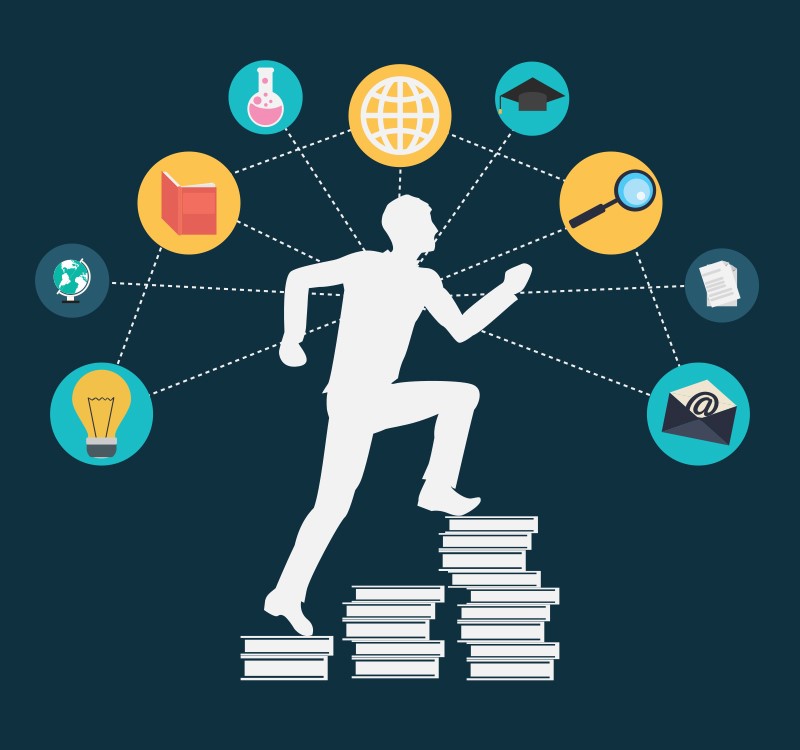
As they move up the professional ladder, they are well-prepared for higher responsibilities.
The program is not limited to books. It connects thoughts and actions.
Students understand and grasp practical implications.
We’ve seen what “theory-heavy” courses look like. Long notes. Zero application. Forgotten in a week. At Sanskriti University, the focus is simple. If you can’t use it at work, it doesn’t belong here. You learn concepts, but more importantly, you learn where they actually fit in real situations.
Industries evolve rapidly. This program is designed around current industry needs rather than outdated syllabi. It helps you stay updated, build relevant skills, and remain competitive in changing professional environments.
It means students gain exposure to industry-aligned content, practical learning approaches, and guidance from professionals with real-world experience. The learning experience is connected to actual industry expectations.
Yes. The program structure is designed for working professionals. Flexible learning access, blended learning methods, and practical modules help students balance their studies alongside their professional commitments.
The program focuses strongly on practical application through projects, problem-solving exercises, and real-world scenarios. Students are encouraged to apply concepts rather than simply memorize them.
Students work on real-world challenges that require analysis, critical thinking, and practical decision-making. The learning approach encourages problem-solving rather than rote memorization.
The program focuses on developing practical and professional skills that prepare students for greater responsibilities, career advancement, and better opportunities across industries.
Yes. Along with technical learning, the program also helps students strengthen communication, decision-making, teamwork, and leadership abilities that are essential for managerial roles.
Communication and teamwork are essential parts of the program. Students work in collaborative environments, participate in discussions, and solve challenges together to build workplace-ready skills.
Sanskriti University’s Learning Studio focuses on practical implementation rather than only theoretical understanding. Students learn how concepts apply in real-life situations and how to adapt when facing actual challenges.